
久久精品30_一本色道久久精品_激情综合视频_欧美日韩一区二区高清_好看的av在线不卡观看_国产自产精品_91久久黄色_午夜亚洲福利_欧美黄在线观看_国内自拍一区

Misguided travel ban wrong way to respond to coronavirus

The controversial U.S. travel ban on foreigners who have recently been in China has already blocked many with legal visas from entering the country. However, it remains to be seen just how damaging the ban is to the United States and its reputation.

China.org.cn February 18, 2020
By Mitchell Blatt

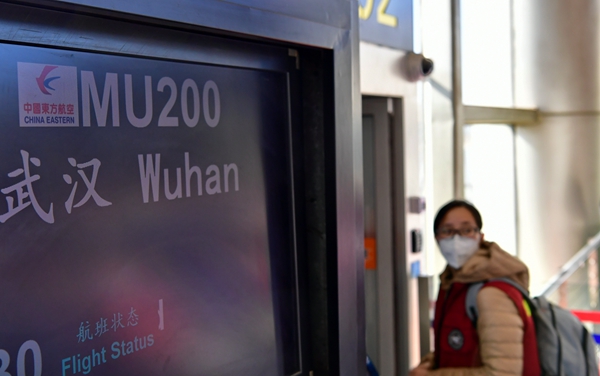
A medical team member prepares to board the flight to Hubei at Taiyuan Wusu Airport in north China's Shanxi province, Feb. 15, 2020. [Photo/Xinhua]

The American entry ban on foreigners who have recently spent time in China has already prevented many students, researchers, businesspeople and travelers with legal visas from entering the United States. Yet this is unnecessary – maybe even counterproductive – according to experts on public health and epidemiology.

A few other countries, most notably Australia, followed the U.S. example, but the majority of countries have not. High-income countries neighboring China, Japan and South Korea, allow people to enter from China, just not those who have recently spent time in Hubei province. Canada's leaders pointedly said they were "following the recommendation of the World Health Organization" – that is, not implementing a travel ban.

The reason the WHO recommends against travel bans is because they are ineffective. They impose costs on the target country and the banning country without creating many, if any, benefits. Even American border and customs professionals do not support broad travel bans. 

John Wagner, one of the leaders of field operations during the Ebola outbreak in 2014, testified when the U.S. was considering a travel ban on countries affected by the Ebola virus, saying, "It is easier to manage and control [the virus] when we know where people are coming from voluntarily and not trying to deceive us." 

A paper on the effectiveness of the 2003 response to SARS by Ho-fung Hung, a professor at Johns Hopkins University, concluded that it was "counterproductive" to try to "curb the transborder flow of travelers."

The United States and Australia, which are among the world's most developed countries, are fully capable of dealing with the risks of COVID-19 without resorting to extreme measures. Their decisions can be much more easily explained by domestic politics and nationalism.

The United States has always had a kind of contradictory view of itself. On the one hand, it sees itself as the world's leading superpower. On the other hand, being separated from Europe and Asia by oceans on either side, it sees itself as an "exceptional" country – different and superior to the rest of the world. 

President Donald Trump has proposed the "America First" slogan. Although even Trump's attitude is contradictory, while arguing for withdrawing from the world, he still wants the U.S. to be the unchallenged global superpower and impose his will on those, like Iran, that do not fall in line.

It may not be a coincidence that Trump's China travel ban came at the same time he has expanded his original anti-Muslim travel ban. When running for president, Trump called for "a complete shutdown of Muslims entering the United States." After the ban was challenged in court, it had to be altered a few times to simply include a random list of Asian and African countries with large Muslim and non-white populations, in order to allow it to pass legal scrutiny.

Jumping to simplistic answers for complicated issues is never a reasonable way to solve problems. In this particular case, the "problem" is the animosity towards people of different races coming from different countries. 

Banning visitors from China could well hurt the economies of the United States, Australia, and other countries that have taken such measures. This is not least because of the fact that it will make it harder for businesspeople to meet.

Oxford Economics – a global forecasting and quantitative analysis company – estimates that the number of Chinese tourists to the United States, who spent about 40% more than the average tourist, will decline by 1.6 million. And, while a decline is also expected to occur in other countries, the travel ban may well harm the reputation of the U.S., making it less likely for tourists to visit even after the ban is lifted. Worryingly, it could also harm the scientific community by making it harder for scholars to collaborate and share knowledge.

Mitchell Blatt is a columnist with China.org.cn. For more information please visit:

http://www.jhzsvip.com/opinion/MitchellBlatt.htm

Opinion articles reflect the views of their authors, not necessarily those of China.org.cn.

If you would like to contribute, please contact us at opinion@china.org.cn.

Misguided travel ban wrong way to respond to coronavirus
The controversial U.S. travel ban on foreigners who have recently been in China has already blocked many with legal visas from entering the country. However, it remains to be seen just how damaging the ban is to the United States and its reputation.
China.org.cn | February 18, 2020 | By Mitchell Blatt

A medical team member prepares to board the flight to Hubei at Taiyuan Wusu Airport in north China's Shanxi province, Feb. 15, 2020. [Photo/Xinhua]

The American entry ban on foreigners who have recently spent time in China has already prevented many students, researchers, businesspeople and travelers with legal visas from entering the United States. Yet this is unnecessary – maybe even counterproductive – according to experts on public health and epidemiology.

A few other countries, most notably Australia, followed the U.S. example, but the majority of countries have not. High-income countries neighboring China, Japan and South Korea, allow people to enter from China, just not those who have recently spent time in Hubei province. Canada's leaders pointedly said they were "following the recommendation of the World Health Organization" – that is, not implementing a travel ban.

The reason the WHO recommends against travel bans is because they are ineffective. They impose costs on the target country and the banning country without creating many, if any, benefits. Even American border and customs professionals do not support broad travel bans. 

John Wagner, one of the leaders of field operations during the Ebola outbreak in 2014, testified when the U.S. was considering a travel ban on countries affected by the Ebola virus, saying, "It is easier to manage and control [the virus] when we know where people are coming from voluntarily and not trying to deceive us." 

A paper on the effectiveness of the 2003 response to SARS by Ho-fung Hung, a professor at Johns Hopkins University, concluded that it was "counterproductive" to try to "curb the transborder flow of travelers."

The United States and Australia, which are among the world's most developed countries, are fully capable of dealing with the risks of COVID-19 without resorting to extreme measures. Their decisions can be much more easily explained by domestic politics and nationalism.

The United States has always had a kind of contradictory view of itself. On the one hand, it sees itself as the world's leading superpower. On the other hand, being separated from Europe and Asia by oceans on either side, it sees itself as an "exceptional" country – different and superior to the rest of the world. 

President Donald Trump has proposed the "America First" slogan. Although even Trump's attitude is contradictory, while arguing for withdrawing from the world, he still wants the U.S. to be the unchallenged global superpower and impose his will on those, like Iran, that do not fall in line.

It may not be a coincidence that Trump's China travel ban came at the same time he has expanded his original anti-Muslim travel ban. When running for president, Trump called for "a complete shutdown of Muslims entering the United States." After the ban was challenged in court, it had to be altered a few times to simply include a random list of Asian and African countries with large Muslim and non-white populations, in order to allow it to pass legal scrutiny.

Jumping to simplistic answers for complicated issues is never a reasonable way to solve problems. In this particular case, the "problem" is the animosity towards people of different races coming from different countries. 

Banning visitors from China could well hurt the economies of the United States, Australia, and other countries that have taken such measures. This is not least because of the fact that it will make it harder for businesspeople to meet.

Oxford Economics – a global forecasting and quantitative analysis company – estimates that the number of Chinese tourists to the United States, who spent about 40% more than the average tourist, will decline by 1.6 million. And, while a decline is also expected to occur in other countries, the travel ban may well harm the reputation of the U.S., making it less likely for tourists to visit even after the ban is lifted. Worryingly, it could also harm the scientific community by making it harder for scholars to collaborate and share knowledge.

Mitchell Blatt is a columnist with China.org.cn. For more information please visit:

http://www.jhzsvip.com/opinion/MitchellBlatt.htm

Opinion articles reflect the views of their authors, not necessarily those of China.org.cn.

If you would like to contribute, please contact us at opinion@china.org.cn.

Print E-mail Bookmark and Share
久久精品30_一本色道久久精品_激情综合视频_欧美日韩一区二区高清_好看的av在线不卡观看_国产自产精品_91久久黄色_午夜亚洲福利_欧美黄在线观看_国内自拍一区
久久亚洲欧美国产精品乐播| 成人中文字幕电影| 亚洲免费观看高清完整版在线| 欧美成人福利视频| 欧美大尺度电影在线| 日韩女优视频免费观看| 精品伦理精品一区| 国产欧美精品一区| 亚洲人成精品久久久久| 一区二区三区免费在线观看| 亚洲国产aⅴ天堂久久| 亚洲国产日韩精品| 日本美女视频一区二区| 奇米在线7777在线精品| 韩国一区二区三区| 国产suv精品一区二区883| 成人av免费网站| 欧美日韩日本网| 亚洲青色在线| 久久精品亚洲| 欧美高清一级片在线| 久久你懂得1024| **性色生活片久久毛片| 亚洲国产成人av| 黄页视频在线91| 99亚偷拍自图区亚洲| 亚洲国产日本| 欧美最猛黑人xxxxx猛交| 日韩一二在线观看| 国产精品精品国产色婷婷| 亚洲一区视频在线观看视频| 蜜桃久久久久久| 成人福利视频网站| 日韩一区二区三区免费观看| 久久你懂得1024| 国产亚洲精品7777| 色婷婷综合久久久久中文一区二区 | 激情成人综合网| 99精品久久久久久| 中文一区二区| 制服丝袜日韩国产| 国产精品丝袜一区| 婷婷亚洲久悠悠色悠在线播放| 国精品**一区二区三区在线蜜桃| 成人免费黄色在线| 午夜一级在线看亚洲| 日韩视频免费观看高清在线视频| 中文字幕一区在线观看| 蜜桃av噜噜一区二区三区小说| proumb性欧美在线观看| 亚洲综合欧美| 久久天堂av综合合色蜜桃网| 亚洲一区二区在线免费看| 韩国成人在线视频| 在线高清一区| 欧美大片一区二区| 亚洲成a人片在线观看中文| 成人在线综合网站| 色哟哟国产精品| 久久欧美一区二区| 美国一区二区三区在线播放| 欧美日韩一区二区三区四区在线观看| 色女孩综合影院| |精品福利一区二区三区| 国产精品亚洲人在线观看| 国产乱人伦精品一区二区 | 国产精品成人午夜| 成人夜色视频网站在线观看| 久久精品男女| 亚洲同性gay激情无套| 丁香亚洲综合激情啪啪综合| 免费在线观看一区二区| 国产日韩欧美a| 国产精品99久久久久久久女警| 国产女优一区| 亚洲免费av观看| 91视频.com| 日韩美女一区二区三区四区| 日本在线不卡一区| 国产精品亚洲一区| 国产精品福利在线播放| 91在线国产观看| 日韩三级精品电影久久久 | www.欧美.com| 91精品免费观看| 另类专区欧美蜜桃臀第一页| 国产精品乱码| 亚洲视频电影在线| 国产精品av久久久久久麻豆网| 久久久久久久久久美女| 国产成人精品影视| 欧美日韩综合在线免费观看| 婷婷久久综合九色国产成人 | 欧美色中文字幕| 视频一区二区中文字幕| 中文日韩欧美| 一区二区理论电影在线观看| 1024亚洲| 亚洲精品美腿丝袜| 亚洲精品一区二区三| 成人免费视频在线观看| 欧美日韩精品免费看| 日本一区二区在线不卡| 欧美激情第六页| 国产精品伦理在线| 国产一区自拍视频| 1000精品久久久久久久久| 红桃视频国产精品| 日韩久久一区二区| 一区二区日韩免费看| 一区二区三区资源| 性欧美暴力猛交另类hd| 日本色综合中文字幕| 欧美日韩国产综合视频在线观看 | 国内精品视频666| 欧美大片一区二区| 午夜欧美精品| 亚洲黄网站在线观看| 久久久久久穴| 国产一区二区三区免费在线观看| 日韩一区二区三区视频在线 | 国内激情久久| 亚洲激情欧美激情| 欧美综合久久久| 国产精品18久久久久久久久| 精品国产3级a| 今天的高清视频免费播放成人| 亚洲一区二区av在线| 日本黄色一区二区| 不卡的电影网站| 亚洲欧洲无码一区二区三区| 免费看的黄色欧美网站| 韩国成人在线视频| 欧美极品另类videosde| 久久大香伊蕉在人线观看热2| 久久成人久久鬼色| 久久久噜噜噜久噜久久综合| 亚洲黄色影院| 狠狠网亚洲精品| 国产欧美精品国产国产专区| 羞羞答答国产精品www一本| 国产一区亚洲一区| 亚洲色图都市小说| 欧美日韩一区二区三区高清| 欧美 日韩 国产一区二区在线视频| 亚洲一区二区四区蜜桃| 欧美一区永久视频免费观看| 激情欧美一区| 久久激五月天综合精品| 欧美国产一区视频在线观看| 一本大道久久精品懂色aⅴ| 成人久久久精品乱码一区二区三区| 亚洲欧美激情在线| 欧美一区二区三区在线看| 91久久夜色精品国产九色| 国产一区二区免费看| 亚洲精品久久久久久国产精华液| 欧美精品一二三| 国产精品美女久久久浪潮软件| 国产精品一区二区三区99| 亚洲天堂成人在线观看| 欧美一区二区久久| 久久一区欧美| 国内在线观看一区二区三区| 国产一区激情在线| 香蕉久久一区二区不卡无毒影院| 日韩精品专区在线影院观看| 麻豆精品91| 国产精品xxx在线观看www| 韩国女主播成人在线| 亚洲男人天堂一区| 久久综合久久综合亚洲| 欧美日韩日本视频| 亚洲中字在线| 亚洲国产精品第一区二区| 国产91精品在线观看| 日本亚洲三级在线| 亚洲人精品午夜| 欧美国产欧美综合| 欧美成人国产一区二区| 欧美日韩亚洲综合一区| 久久久久欧美精品| 国产日韩欧美在线播放不卡| 国产精品国码视频| av在线不卡免费看| 国产精品88888| 久久精品国产澳门| 天天综合色天天| 亚洲美女免费视频| 国产精品卡一卡二卡三| 337p日本欧洲亚洲大胆精品| 日韩三区在线观看| 欧美一区二区大片| 在线电影一区二区三区| 色综合久久66| 色久优优欧美色久优优| 久久精品免费| 久久久久久亚洲精品杨幂换脸| 久久av一区二区| 久久国产66|